
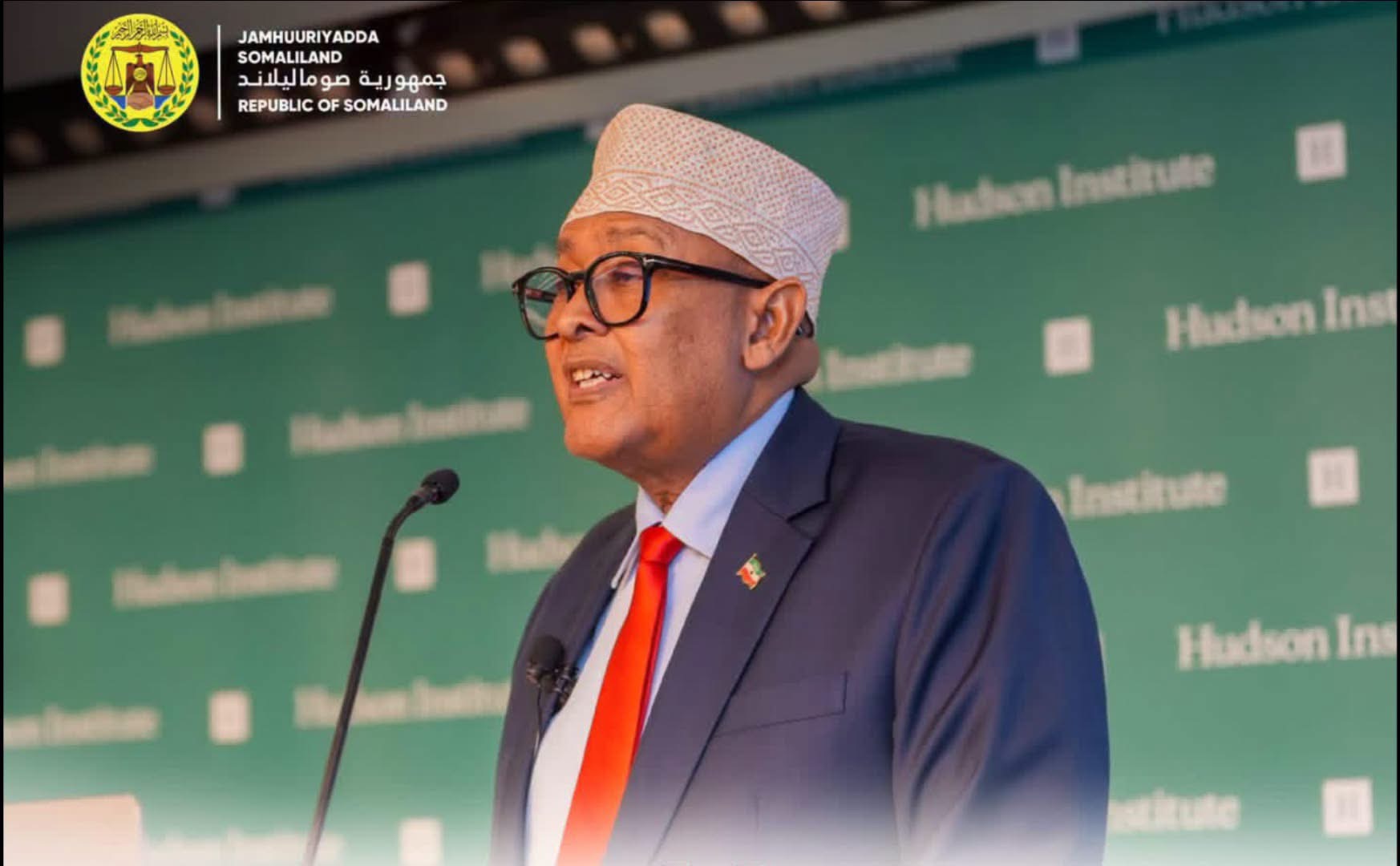
A presidential visit is not a sightseeing tour; it is a deliberate projection of national authority. When such a visit produces confused optics, inconsistent messaging, and glaring protocol lapses, analysts have every reason to respond forcefully. Diplomacy is a language of signals, and the signals sent during this visit were muddled, improvised, and strategically incoherent. A visit that cannot articulate a clear purpose does not merely fall short; it actively erodes the state’s diplomatic standing.
The shortcomings were not subtle. They were conspicuous, avoidable, and symptomatic of inadequate preparation. Protocol misalignment, fragmented communication, and an agenda that appeared stitched together at the last minute are not minor administrative errors; they are structural failures of leadership. Diplomatic commentary loses credibility when it hides behind polite phrasing. When a visit is poorly executed, it must be described as such, directly, bluntly, and without diplomatic sugar‑coating. Analysts do not serve the public interest by sanitising failures that were visible to every observer.
Yet branding the visit “failed” within days of its conclusion is not analysis; it is impatience masquerading as expertise. Diplomatic outcomes do not materialise instantly, nor do they always unfold in public view. Some of the most consequential results emerge through quiet negotiations, bureaucratic follow‑up, and sustained engagement long after the delegation returns home. A visit that appears directionless today may later prove strategically useful if it opens channels or shifts attitudes. Conversely, a visit with polished optics may ultimately deliver nothing. Serious analysis respects diplomacy’s timeline rather than collapsing it into a short news cycle.
There are, however, moments when an immediate negative judgement is unavoidable, and this visit came dangerously close to that threshold. If meetings are cancelled, protocol courtesies withheld, or key requests explicitly rejected, the setback is not interpretive; it is factual. These are not weak optics; they are diplomatic failures with measurable consequences. Such cases demonstrate why analysts must distinguish between tactical missteps and strategic collapse. Not every misstep is fatal, but some failures are unmistakable and demand direct acknowledgment.
A maximum‑confrontational commentary therefore states the weaknesses without hesitation and without euphemism. One may argue that the visit suffered from avoidable errors, weak presentation, and profound strategic incoherence, while emphasising that its long‑term diplomatic value will depend on follow‑up actions that have yet to materialise. This approach is unapologetically forceful, analytically disciplined, and aligned with the standards of serious diplomatic critique. It also preserves the necessary space to reassess the visit once its full diplomatic trajectory becomes visible, if any substantive trajectory emerges at all.
……………………
Ali-Khadar Osman is an analyst specializing in Horn of Africa political affairs, with a focus on state recognition, regional diplomacy and governance.